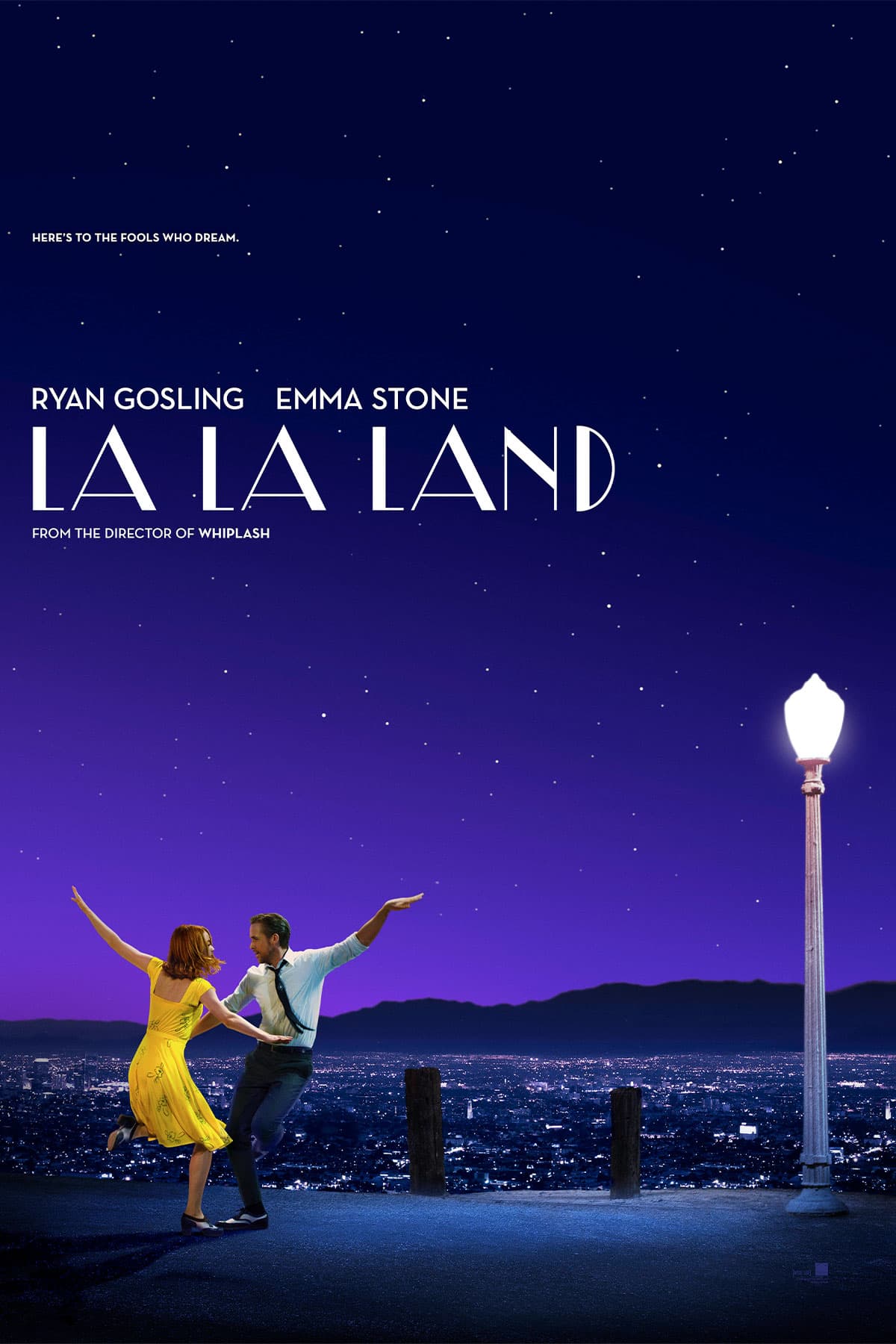
La La Land is a rare kind of film that feels both nostalgic and refreshingly modern at the same time. It gracefully pays homage to the golden age of Hollywood musicals—with its vibrant colors, sweeping camera movements, and dreamlike dance sequences—while telling a story that resonates deeply with contemporary audiences. The balance it strikes between honoring the past and embracing the present is one of its greatest strengths, making it appealing to both classic cinema lovers and newer generations.
From the very beginning, the pacing of the film feels smooth and deliberate. It doesn’t rush through its moments, nor does it linger unnecessarily. Instead, it allows each scene to breathe, giving the audience time to connect with the characters and their journeys. The transitions between musical numbers and quieter, more intimate scenes are seamless, creating a rhythm that feels almost musical in itself. This careful pacing ensures that the emotional highs and lows land effectively, making the story feel cohesive and immersive.
The performances throughout the film are consistently engaging, but Emma Stone truly stands out. Her portrayal of Mia is both heartfelt and inspiring. She embodies the struggles of an aspiring artist with authenticity—capturing the vulnerability, frustration, and determination that come with chasing a dream. Mia’s journey is not portrayed as glamorous or easy; instead, it’s filled with rejection, self-doubt, and moments of uncertainty. Yet, it’s precisely this realism that makes her character so compelling. She represents resilience in its purest form—the ability to keep going even when the odds seem overwhelmingly against you.
What makes the film even more impactful is its willingness to show the harsh realities of success. It doesn’t romanticize the journey or offer easy solutions. Instead, it highlights how difficult it can be to achieve one’s dreams, especially in creative fields. Auditions go wrong, opportunities slip away, and sacrifices have to be made. This grounded approach adds depth to the story, making it more than just a visually stunning musical—it becomes a reflection of real-life struggles and ambitions.
At its core, the film is about passion, love, and the choices we make along the way. It explores how pursuing dreams can sometimes come at a cost, forcing individuals to prioritize certain aspects of their lives over others. This emotional complexity adds layers to the narrative, making it both uplifting and bittersweet.
Ultimately, La La Land succeeds because it doesn’t just entertain—it connects. It reminds viewers of the beauty of dreaming, the pain of setbacks, and the courage it takes to keep moving forward. By blending nostalgic elements with modern storytelling, it creates an experience that feels timeless, leaving a lasting impression long after the music fades.
#Feel-Good#Family-Friendly#Suspenseful
⚠ This review contains spoilers — read with caution
Meherun Nessa
April 25, 2026
8/10
Sebastian and Mia’s relationship in La La Land feels strikingly real because it isn’t static—it evolves in a way that mirrors real-life relationships. At the beginning, their connection is fueled by shared dreams and mutual admiration. They inspire each other to pursue their passions, pushing one another to take risks and believe in their own potential. There’s a sense of excitement and possibility in those early moments, where love and ambition seem perfectly aligned. It’s the kind of relationship that feels almost ideal, where two people grow together and act as catalysts for each other’s success.
But what makes their story so compelling is how naturally that dynamic begins to shift. As time goes on, their individual goals start to pull them in different directions. Sebastian becomes more focused on stabilizing his career, even if it means compromising his artistic ideals, while Mia continues chasing her dream in a more uncertain, risky way. Neither of them is wrong—they’re simply evolving as individuals. And that’s where the film captures something deeply authentic: sometimes, growth doesn’t happen in the same direction for both people.
The drift between them is subtle, not sudden. It’s not caused by a single argument or betrayal, but by a series of small changes, missed moments, and unspoken tensions. Their conversations become less about dreams and more about practicalities. The spark doesn’t disappear instantly—it fades gradually, replaced by a quiet distance that neither fully acknowledges at first. This slow unraveling makes their relationship feel painfully real, because it reflects how many relationships change over time without a clear breaking point.
The breakup scene itself is a perfect example of restraint in storytelling. There’s no dramatic shouting, no exaggerated confrontation. Instead, it’s quiet, almost understated. They sit across from each other, and the weight of everything unsaid fills the space between them. It’s in their expressions, their pauses, and the tone of their voices that the emotion truly comes through. That silence speaks louder than any argument ever could, making the moment feel intimate and deeply human.
And then there’s the final glance they share—arguably one of the most powerful moments in the film. Without a single word, it conveys a complex mix of emotions: love for what they once had, regret for what couldn’t be, and acceptance of the paths they’ve chosen. It’s not a look of longing or bitterness, but one of understanding. They recognize that their relationship, while meaningful, belonged to a different version of their lives.
That moment elevates the ending into something far more mature than a typical romantic conclusion. It doesn’t rely on a happily-ever-after or a tragic separation. Instead, it embraces the bittersweet truth that love doesn’t always mean staying together. Sometimes, it means letting go and appreciating what was. In doing so, the film offers one of the most honest and emotionally resonant endings in modern romantic cinema—one that lingers not because it’s perfect, but because it feels true.
Visually, La La Land is stunning. Every frame feels carefully crafted, from the costumes to the lighting. The use of color adds depth to the story, reflecting the emotional states of the characters.
The soundtrack is memorable, blending jazz with modern musical elements. Even if you’re not into musicals, the songs feel natural within the narrative.
It’s a film that invites you to dream while reminding you of reality—a rare balance that few movies achieve.
⚠ This review contains spoilers — read with caution
Super Admin
April 25, 2026
5/10
The ending of La La Land is what elevates it from a good film to a great one. Watching Mia and Sebastian succeed individually but drift apart is both satisfying and heartbreaking.
The “what if” montage at the end is brilliantly executed. It shows us an alternate reality where everything works out, making the actual ending even more emotional. It’s not tragic—it’s realistic.
The film suggests that some relationships are meant to shape us, not last forever. That idea lingers long after the movie ends.